
OPTIMIZATION OF COMPOSITE SANDWICH STRUCTURE USING ARTIFICIAL NEURAL NETWORK
- Made For: International Research Journal of Engineering and Technology
- Problem Statement:: To predict the failure mode of composite sandwich panels using an artificial neural network.
- Objectives:• To collect composite panel behavior data using simulation. • Preapre data to be used for ANN training. • Pridict failure mode and force of failure of composite panels with more than 90% accuracy.
- Project date: July, 2022
- Project URL: GitHub Repository
Abstract
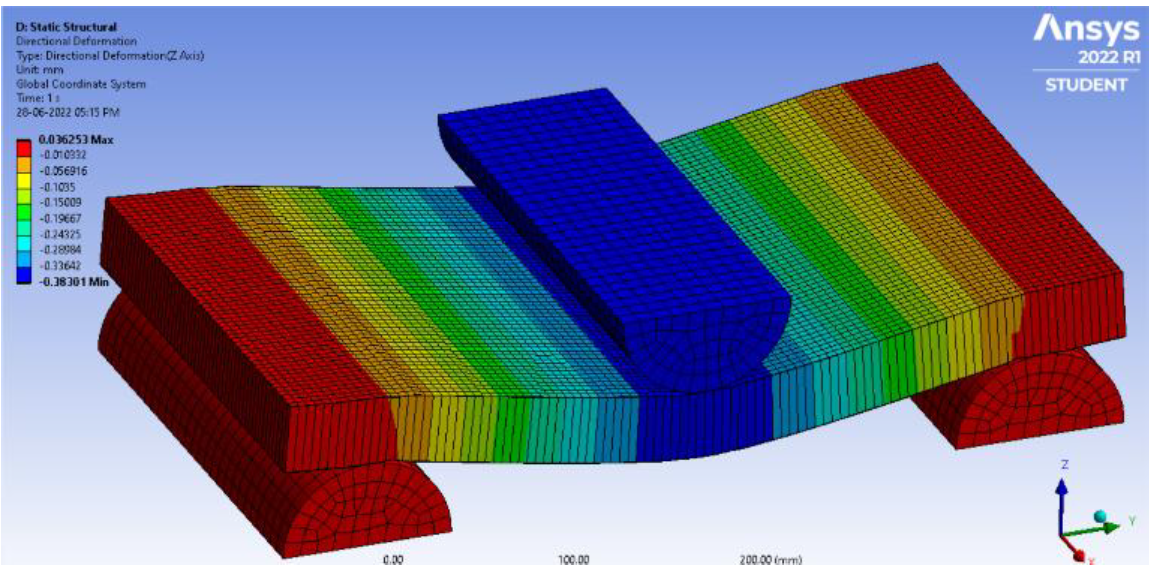
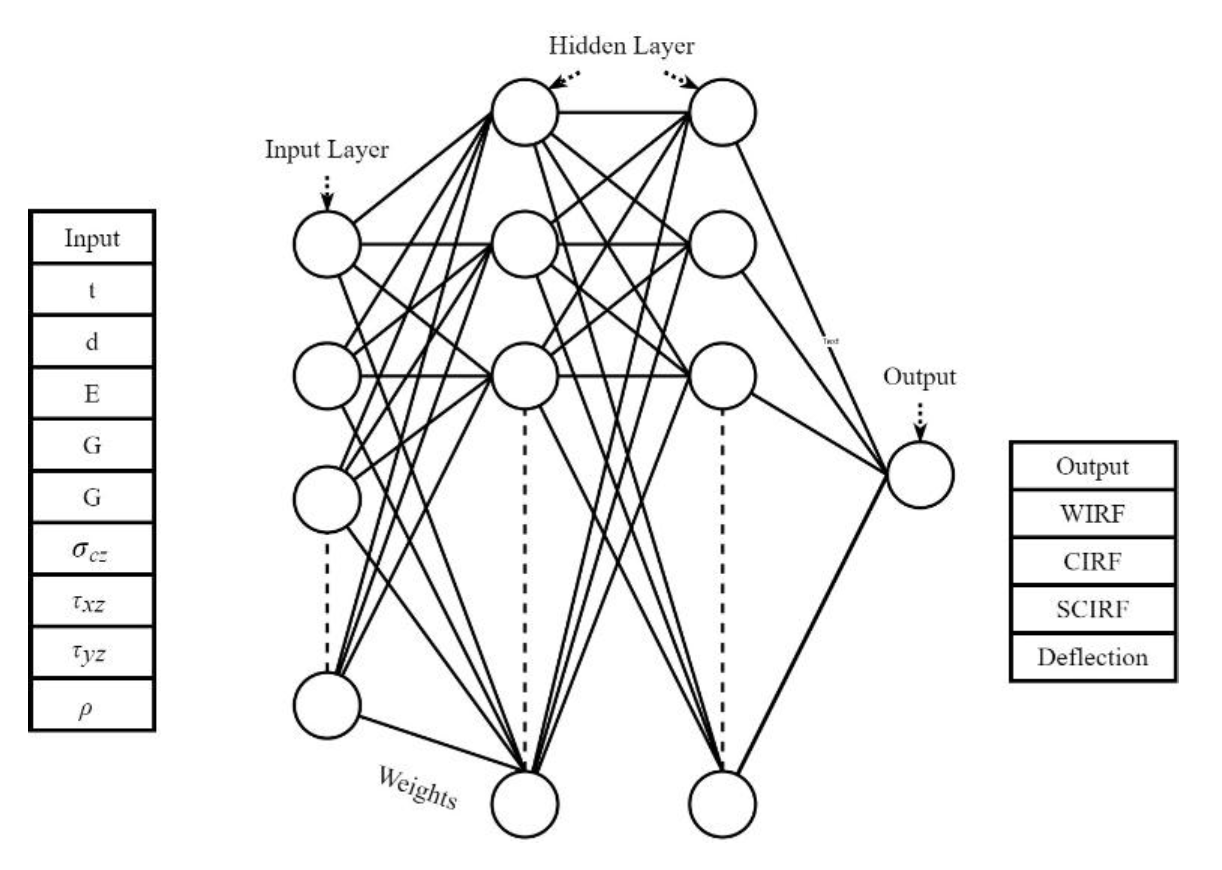
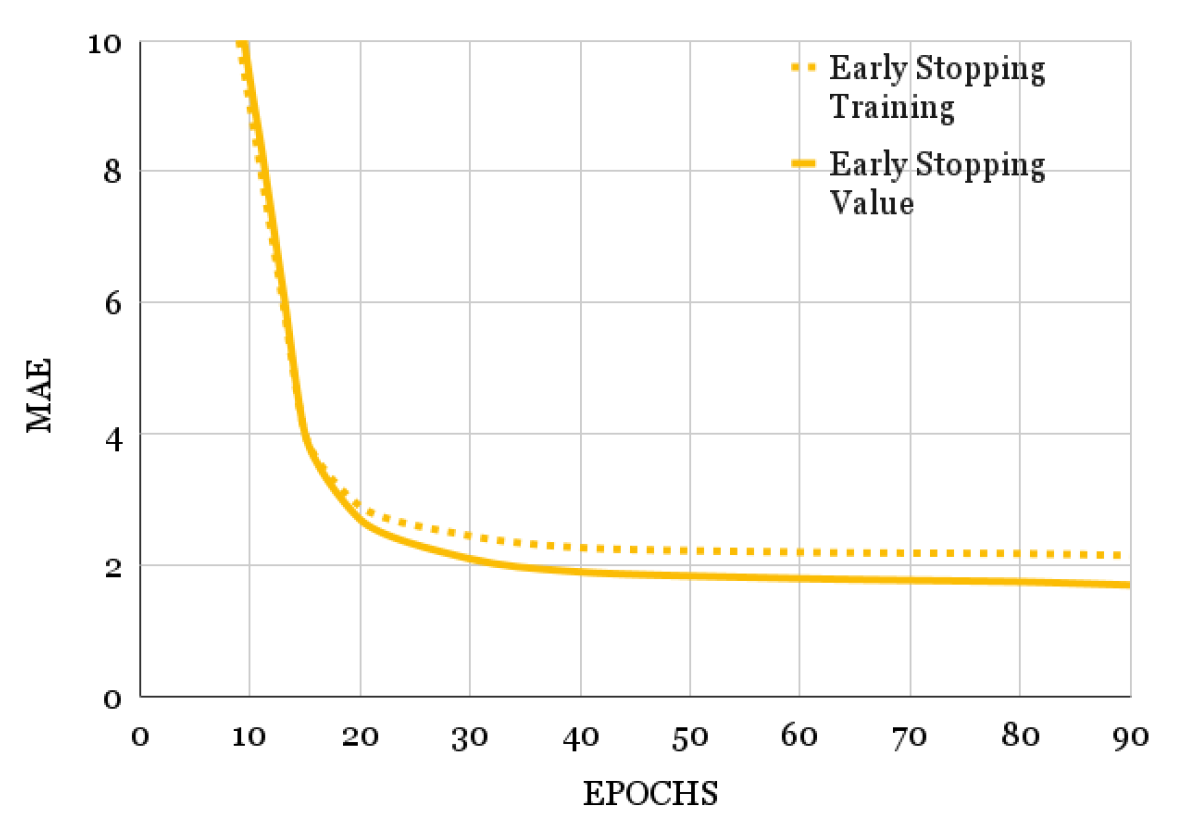
Laminates are utilized in a variety of fields, including naval, aeronautics, automobiles, etc. The objective of the panel's design is to maximize flexural strength, energy absorption, and flexural rigidity while minimizing weight. However, finding the optimum configuration of layer thickness and core thickness requires extensive destructive testing. Using a neural network, this study established the relationship between the configuration of laminates, such as layer thickness, core thickness, weight with the flexural strength, and the flexural rigidity of laminates. For this study, training data is collected via finite element analysis (FEA) of three-point bending tests of laminates with varying core and layer thicknesses and then utilized to train a neural network. This FEA study of a three-point bending test is conducted using the academic software ANSYS. An artificial neural network is used to perform regression. After hyperparameter optimization, 256 points of ANSYS data are used to train an artificial neural network model with an accuracy of 95.29 percent for deflection prediction and 95.05 percent for force prediction. This will decrease the amount of computation required to determine the optimal configuration after the neural network is trained.